PHOTOGALLERY
Poverty and lack of opportunities in a Kachin IDP camp are driving vulnerable girls into forced marriages with Chinese men, with brokers exploiting families desperate enough to sell their daughters to be trafficked across the border.
By HKUN LI | FRONTIER
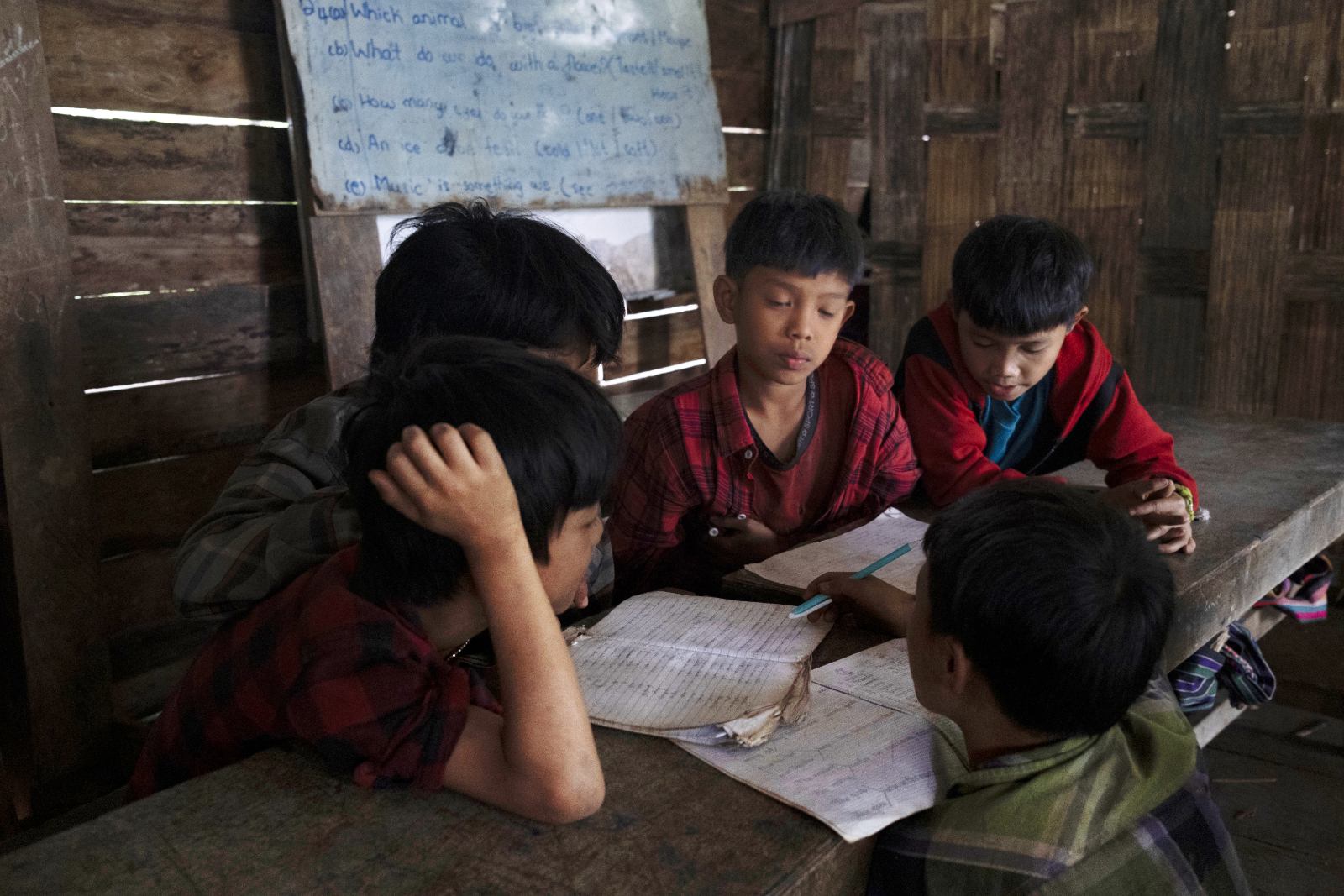
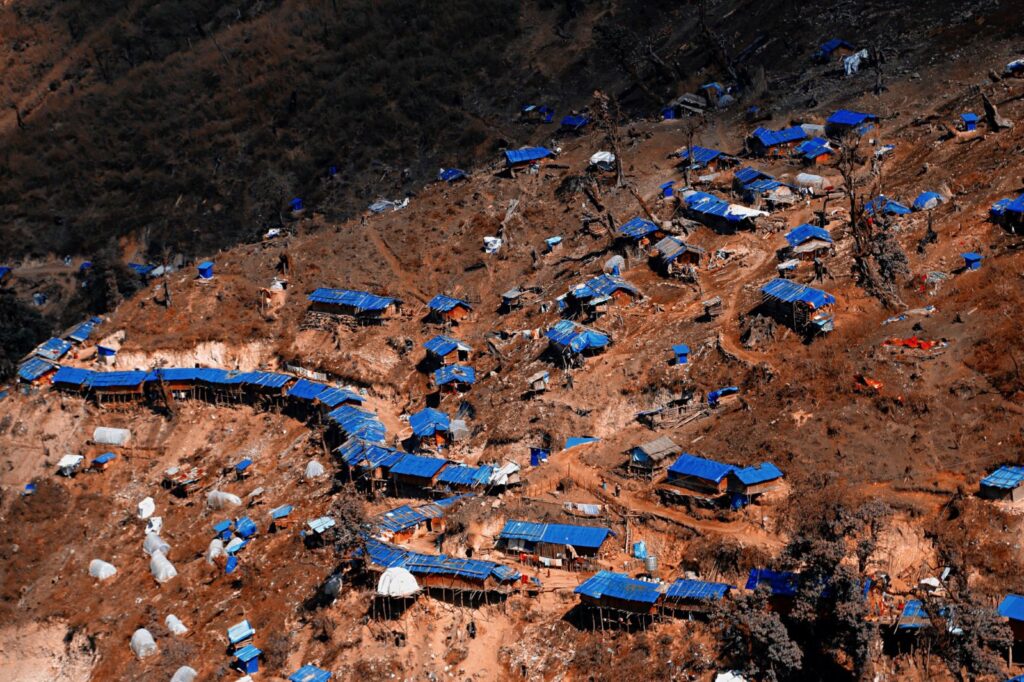
The Hpare camp for internally displaced people was established after fighting resumed between the Myanmar military and the Kachin Independence Army in June 2011. Located in a remote area of Kachin State’s Chipwi Township, the camp offers few job opportunities and schooling only up to grade 6.
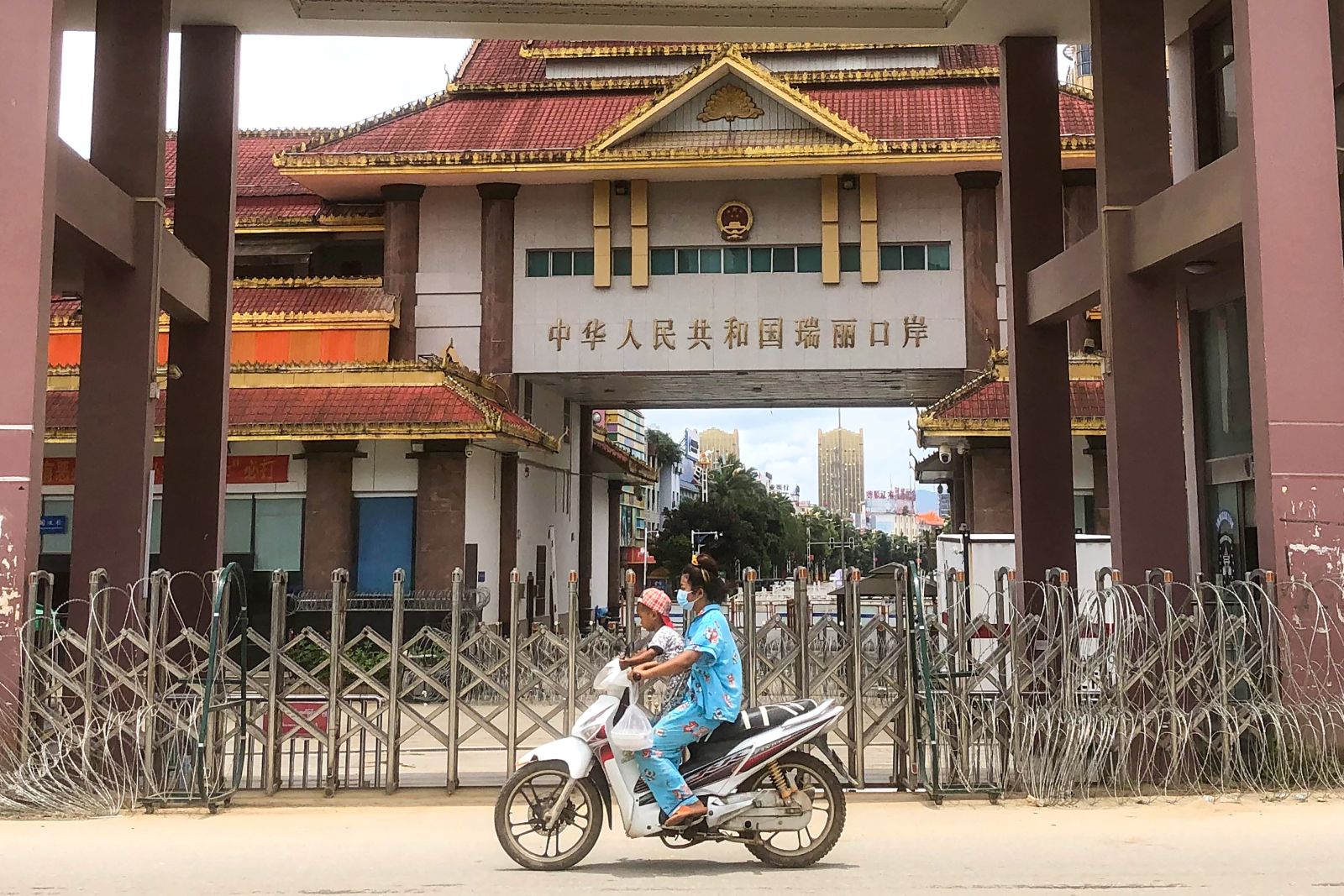
For many young residents, the only survival options are seeking further education elsewhere or crossing the border into China for work. Those who travel to China for employment frequently face wage exploitation, confiscation of border documents and compulsory urine tests.
Amid these economic hardships, some struggling families have forced their young daughters into marriage with Chinese men as a survival strategy.
An estimated 10 to 12 girls from the Hpare camp are forced into marriage in China every year. Brokers frequently target vulnerable IDPs, promising wealthy, respectable suitors and high bride prices to desperate parents.
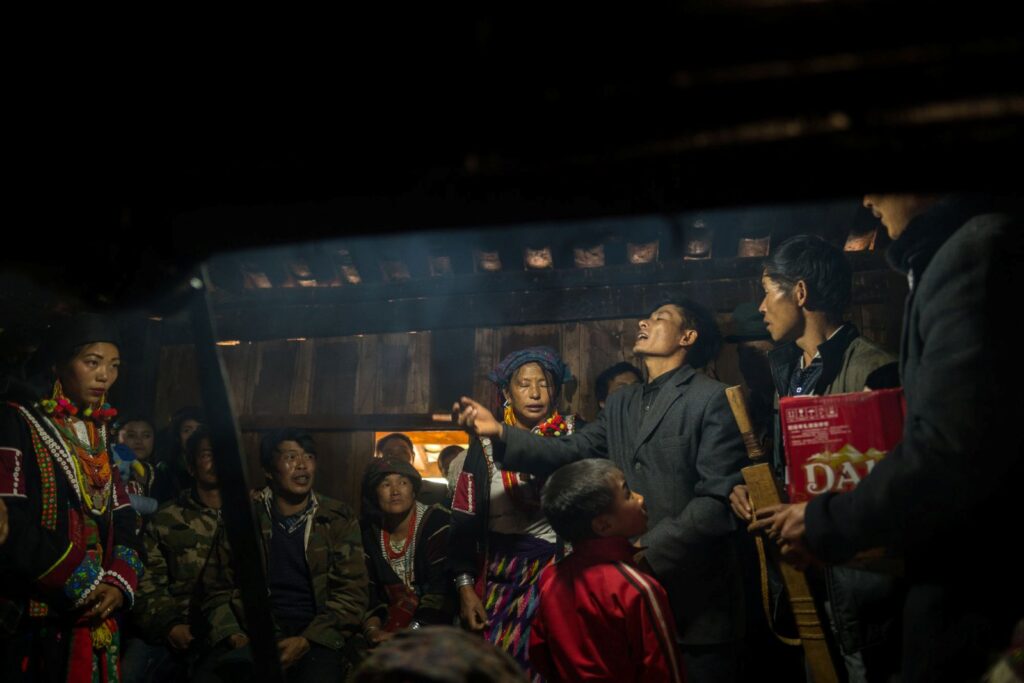
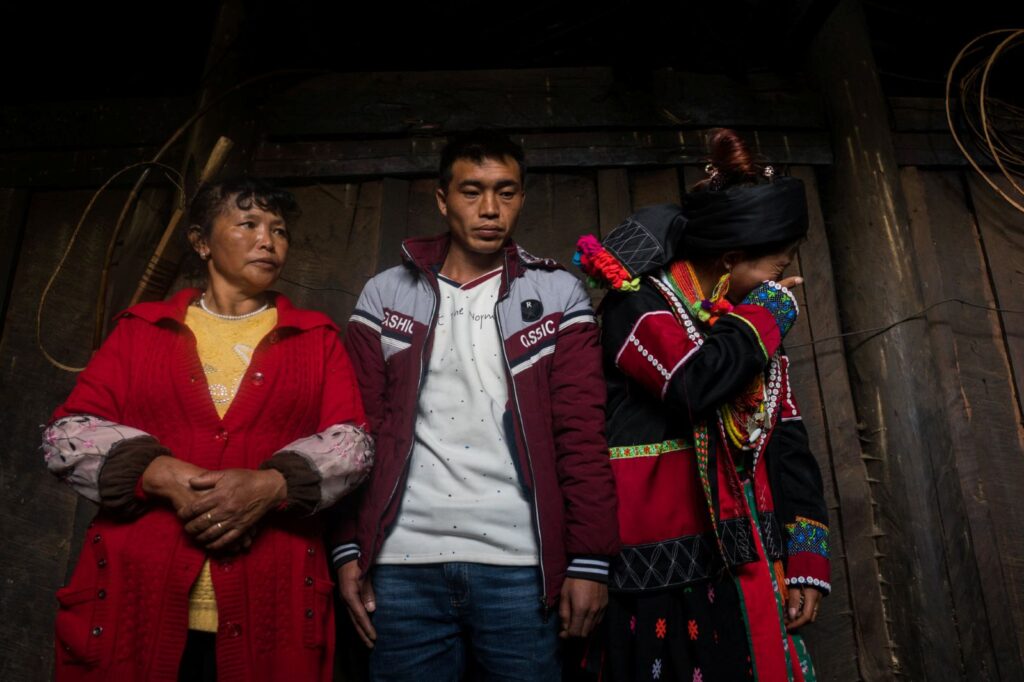
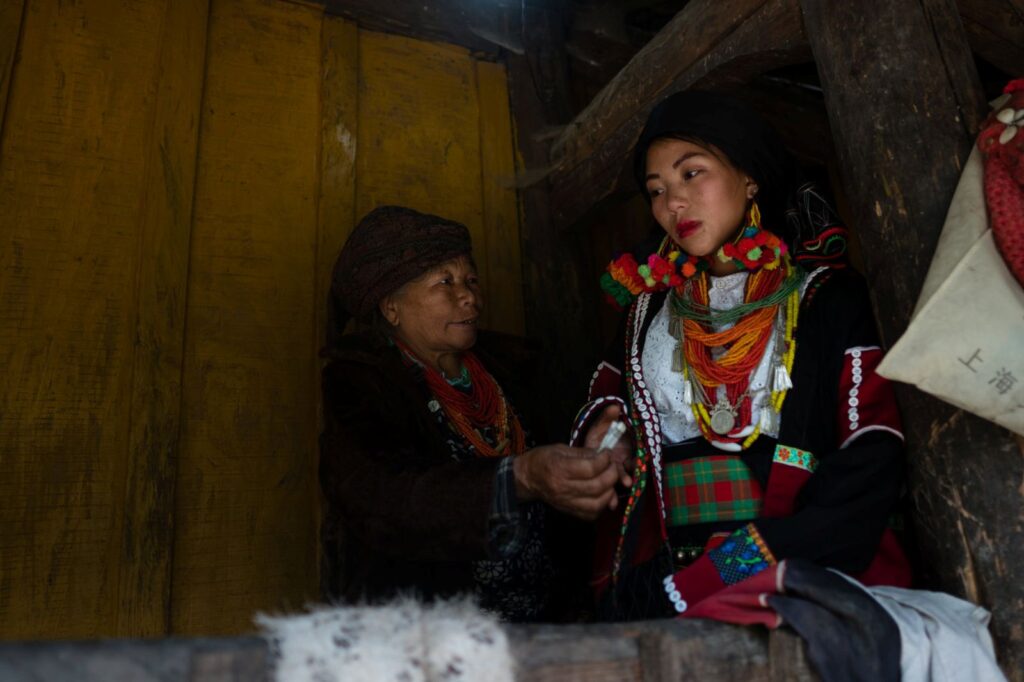
Ma Chan Myaw, identified here using a pseudonym for her own security, was 16 when her parents forced her to marry a Chinese man in 2019. A broker convinced her family by claiming the groom was a sober, good man. They negotiated a bride price of 80,000 Chinese yuan (about US$11,260 at the time). Only later did the family discover he was a truck driver undergoing treatment for alcoholism.
Christian pastors at the camp have forbidden payment for brides, so Chan Myaw’s family held the two-day wedding secretly in their home village outside the camp. The groom arrived for the ceremony in ordinary clothes while Chan Myaw wore traditional Kachin wedding attire.
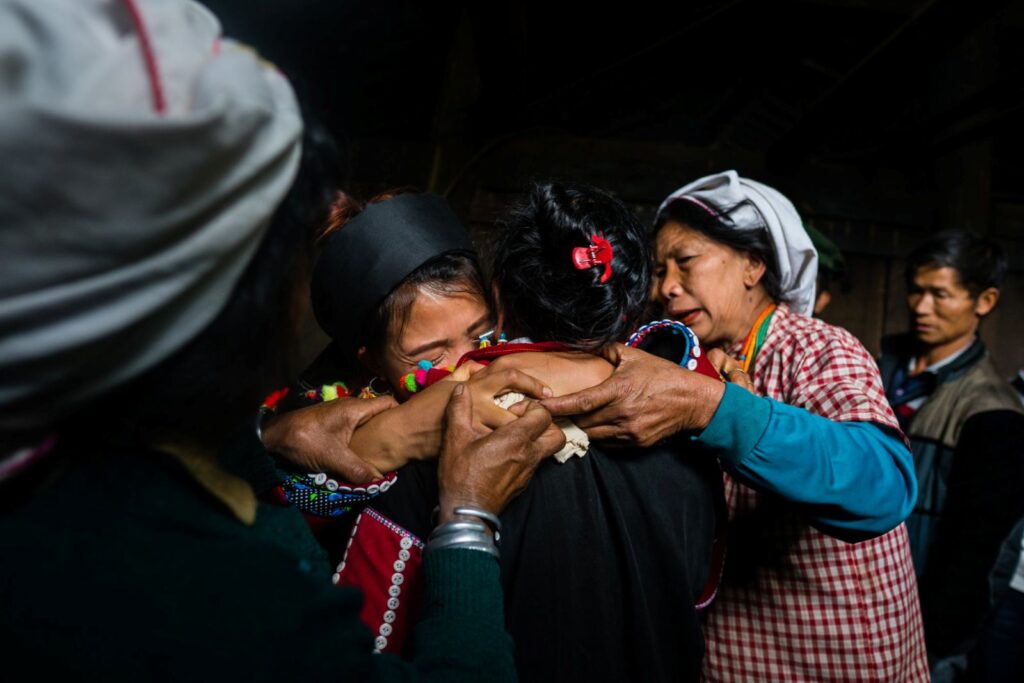
“I felt ashamed,” said Chan Myaw. “I couldn’t speak Chinese, so I cried. The broker shouted at me, saying that I was not allowed to cry during the wedding.”
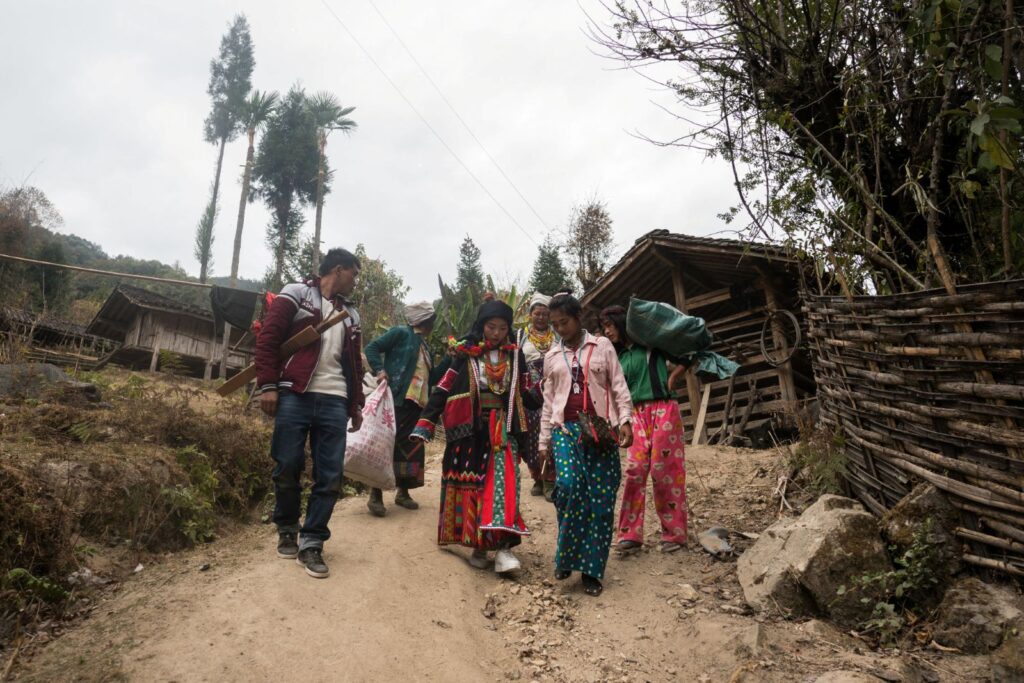
When it came time to cross the border into China with her new husband, Chan Myaw clung to her mother in tears, but brokers rushed her into a car. In 2024, her younger sister was also sold into a forced marriage in China, but she managed to escape back to Kachin via an illegal border crossing. Chan Myaw, however, remains in China with her husband, and the illegal trade of Kachin IDP brides continues unabated.