OPINION
The Cambodian government’s invitation for Min Aung Hlaing to visit the country risks legitimising the murderous Myanmar regime and damaging Phnom Penh’s international standing.
By SAO PHAL NISEIY
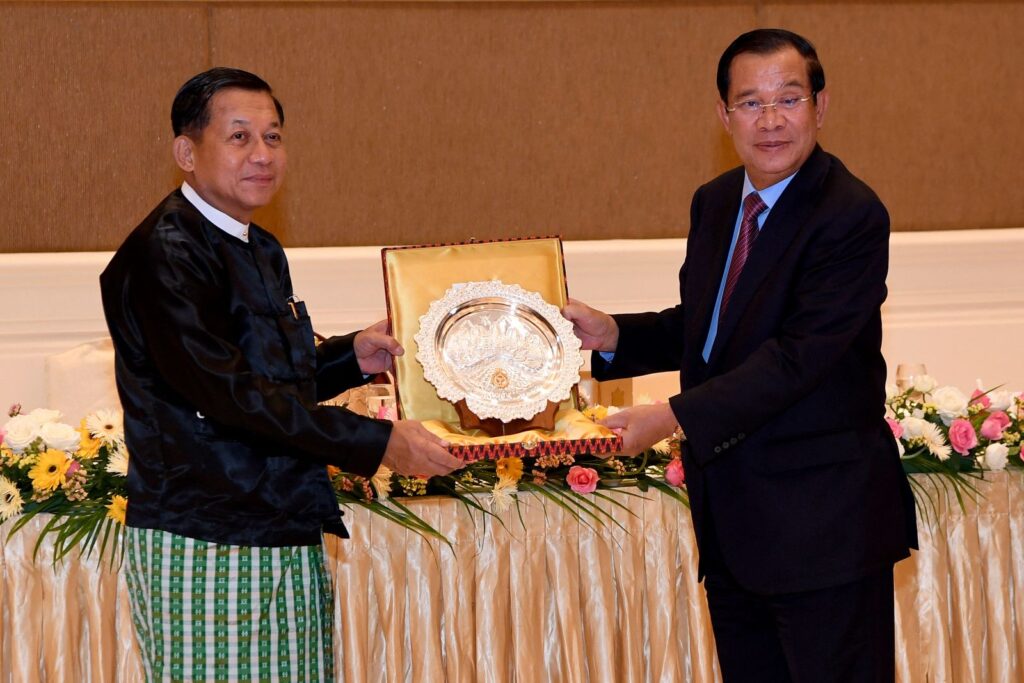
Regime president Min Aung Hlaing is due to arrive in Phnom Penh in the coming weeks, but the announcement of his visit took an unusual route. Rather than coming through the Cambodian foreign ministry, it was announced on the Senate’s Facebook page.
The Senate, led by former Prime Minister Hun Sen, played a prominent role in arranging the visit, while the foreign ministry’s spokesperson said he was unaware of the preparations. The Senate later edited references to Min Aung Hlaing from the Facebook post, though its spokesperson confirmed the visit will go ahead.
The visit signals warming ties between Cambodia and the regime and highlights the close relationship that Hun Sen has developed with Min Aung Hlaing.
For Cambodia, however, the visit should raise serious questions about the foreign policy costs of offering Min Aung Hlaing such a prominent platform.
This is not Min Aung Hlaing’s first visit to Cambodia. As commander-in-chief of the armed forces in 2017, he sought Hun Sen’s counsel on the “Win-Win” policy. The policy brought Cambodia’s decades-long civil war to an end in 1998 through negotiations between the government and remnants of the Khmer Rouge, the latter of which were given guarantees of safety and integration into the state.
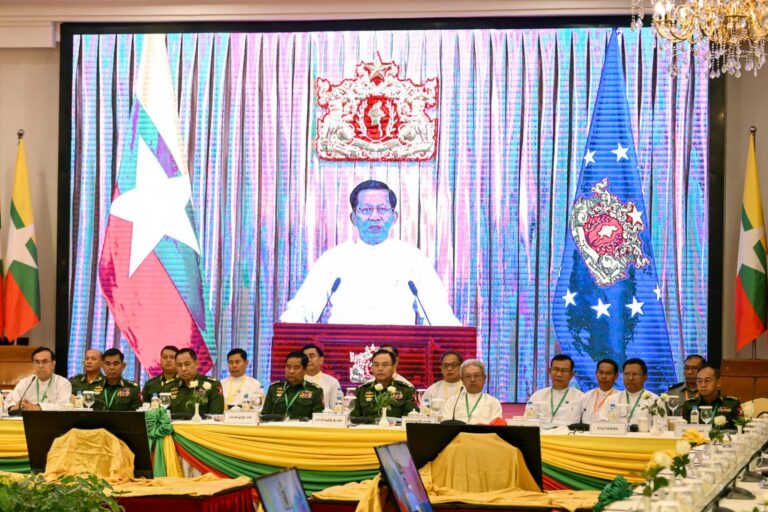
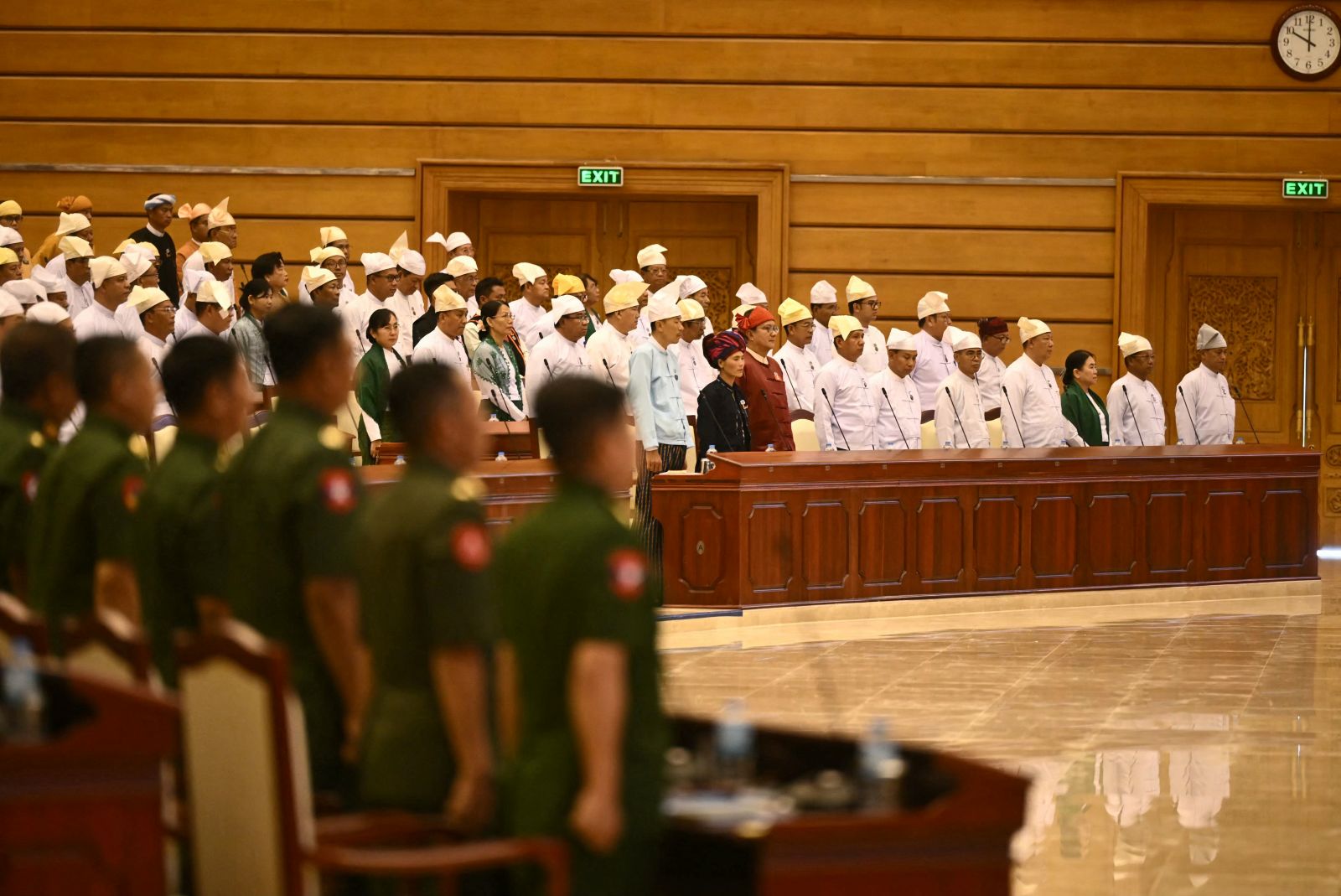
Since then, Min Aung Hlaing staged a coup in February 2021, plunging Myanmar into conflict. More recently, he traded his military uniform for the title of president in April, following what was widely regarded as a sham election held in December and January.
Despite this, some countries in the region are increasingly treating him as a legitimate leader.
Cambodia’s Myanmar policy has been consistent on paper. As a member of ASEAN, it has long defended non-interference, including backing Myanmar’s position against internationalising the Rohingya crisis. That consistency has often looked diplomatically awkward, but at least it was treated as ordinary state-to-state conduct.
However, by rolling out the red carpet now for Min Aung Hlaing as a head of state, Cambodia offers a prominent platform to a regime that continues to wage war on its own people.
These abuses include airstrikes, arbitrary arrests, torture, extrajudicial killings, attacks on civilian infrastructure and other serious human rights violations that may amount to war crimes and crimes against humanity. The United Nations reported that the war has displaced nearly 3.8 million people, while more than 16 million require humanitarian assistance.
Any engagement that hands legitimacy to the regime without progress on accountability, including on implementing ASEAN’s stalled Five-Point Consensus, risks becoming complicity.
Cambodia itself has been here before. The independent diplomacy carried out by then-Prime Minister Hun Sen following the military coup must be considered. When Hun Sen chaired ASEAN in 2022, he travelled to Myanmar to meet with Min Aung Hlaing in the belief that he could mediate and push for an end to the post-coup conflict through his personal relationship with the regime leader.
However, this engagement did not produce the results Hun Sen had hoped for, since outcomes are shaped by a wide range of factors, not just personal ties. It was a mistake neither he nor his government were prepared to acknowledge.
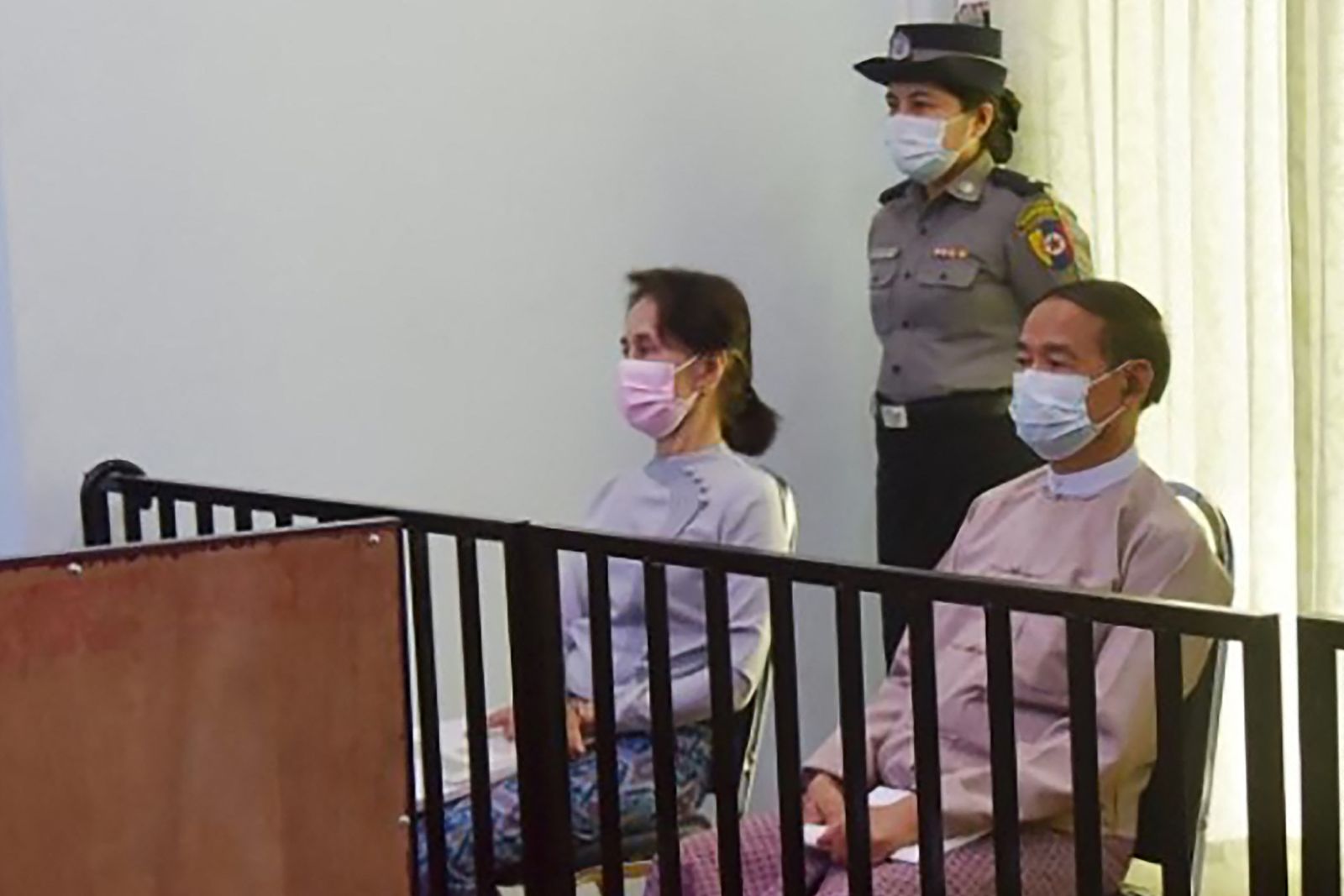
Hun Sen experienced the limits of his personal diplomatic engagement. The case of Australian economist Sean Turnell is one clear example. Turnell, an adviser to State Counsellor Aung San Suu Kyi, was detained days after the coup. In February 2022, Hun Sen announced Turnell’s release following his request to Min Aung Hlaing. The regime quickly denied the claim, forcing Hun Sen to retract his statement and apologise. Turnell was eventually released in November that year, after more than 21 months in detention.
Hun Sen has tried to play a role as peace mediator in other conflicts, the most notable attempt being the Ukraine-Russia war. However, guaranteeing diplomatic success demands financial and human capital that Cambodia does not possess.
Instead of overtly posturing to align itself with the coup leader, Cambodia should carefully work with all sides in Myanmar and ensure that its engagement contributes to addressing the country’s dire humanitarian crisis.
Supporting Min Aung Hlaing in his quest for legitimacy will be diplomatically damaging for Cambodia. The Thai engagement with the regime should serve as a warning. Thailand’s policy of normalising relations with the regime after Min Aung Hlaing was appointed president has drawn significant criticism, from politicians and human rights advocates to ordinary people who have been targeted and have suffered from the ongoing civil war.
Few approaches to diplomacy are more damaging than engaging with actors or regimes that are condemned by the international community for killing their own people.
Complicity with the regime must not be normalised or embraced. It sets an example of how easily people’s plight can be ignored. It also shows that Cambodia, which pleads for international support in its own conflict with Thailand, does not practice what it preaches.
There is neither an obligation nor a compelling reason for countries to roll out the red carpet for leaders like Min Aung Hlaing. Russian President Vladimir Putin’s warm reception of Min Aung Hlaing this month is a different case: Russia itself is internationally isolated and has a strategic interest in cultivating ties with him.
China’s approach is also understandable, given its many direct interests in Myanmar, including investment projects and the conflict along the border. The same logic applies to India, another neighbouring country that has also maintained close ties with the Myanmar regime.
Even Thailand’s engagement with the regime reflects its need to address shared concerns, particularly border security and migration.
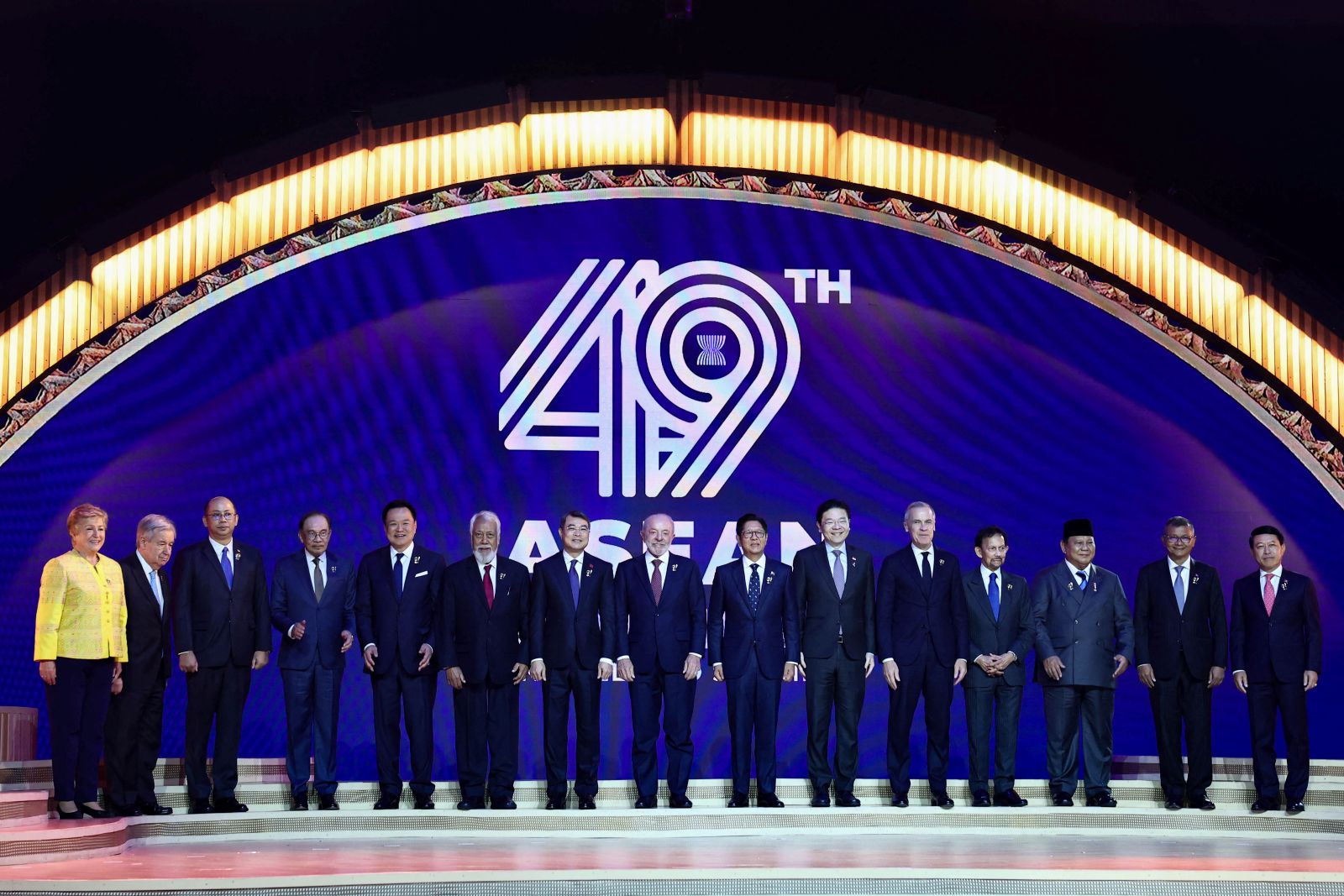
Cambodia, however, faces no comparable strategic imperative. Despite its size and limited power, it has built diplomatic credibility by selectively engaging key actors while maintaining a principled stance within the international rules-based order. For instance, Cambodia has condemned Russia for its invasion of Ukraine and has consistently supported Palestine’s statehood.
Min Aung Hlaing’s upcoming visit to Cambodia is surely a mistake, putting the country in an unnecessary diplomatic entanglement. Regardless of how thirsty Cambodia is for diplomatic engagement or support, the decision to bring Min Aung Hlaing for a state visit should be seriously scrutinised.
Cambodia should reconsider the visit, as it will not advance Myanmar’s conflict resolution. The alternative is not disengagement; it can still collaborate with all parties involved in Myanmar’s crisis, including humanitarian groups, without giving the junta an undeserved symbolic victory.
Past interactions with Min Aung Hlaing have shown that personal ties matter little. There’s no reason to believe this visit will be any different, especially now when the risk to Cambodia’s credibility is greater and more poorly timed than ever.
Cambodia is already navigating a difficult conflict with Thailand. As it seeks to portray itself as a peace-loving country, committed to international law and a rules-based order, hosting a controversial figure risks undermining its diplomatic credibility. The timing could hardly be worse.
Sao Phal Niseiy is editor-in-chief of the English-language news outlet Cambodianess which focuses on the climate crisis and regional affairs.