VIDEO
Worsening conditions in camps in Bangladesh are driving increasing numbers of Rohingya refugees to risk dangerous and often deadly sea journeys in search of safety and the chance at a better life in Malaysia and Indonesia.
By VALERIA MONGELLI and LORCÁN LOVETT | FRONTIER
Around one million Rohingya live in Cox’s Bazar refugee camps in Bangladesh. Refugees are unable to work legally and depend almost entirely on humanitarian aid, but this has dried up since early last year.
On April 1, the United Nations World Food Programme’s monthly rations were cut for some from US$12 to $7 per person, a consequence of slashed aid budgets in the United States and elsewhere.
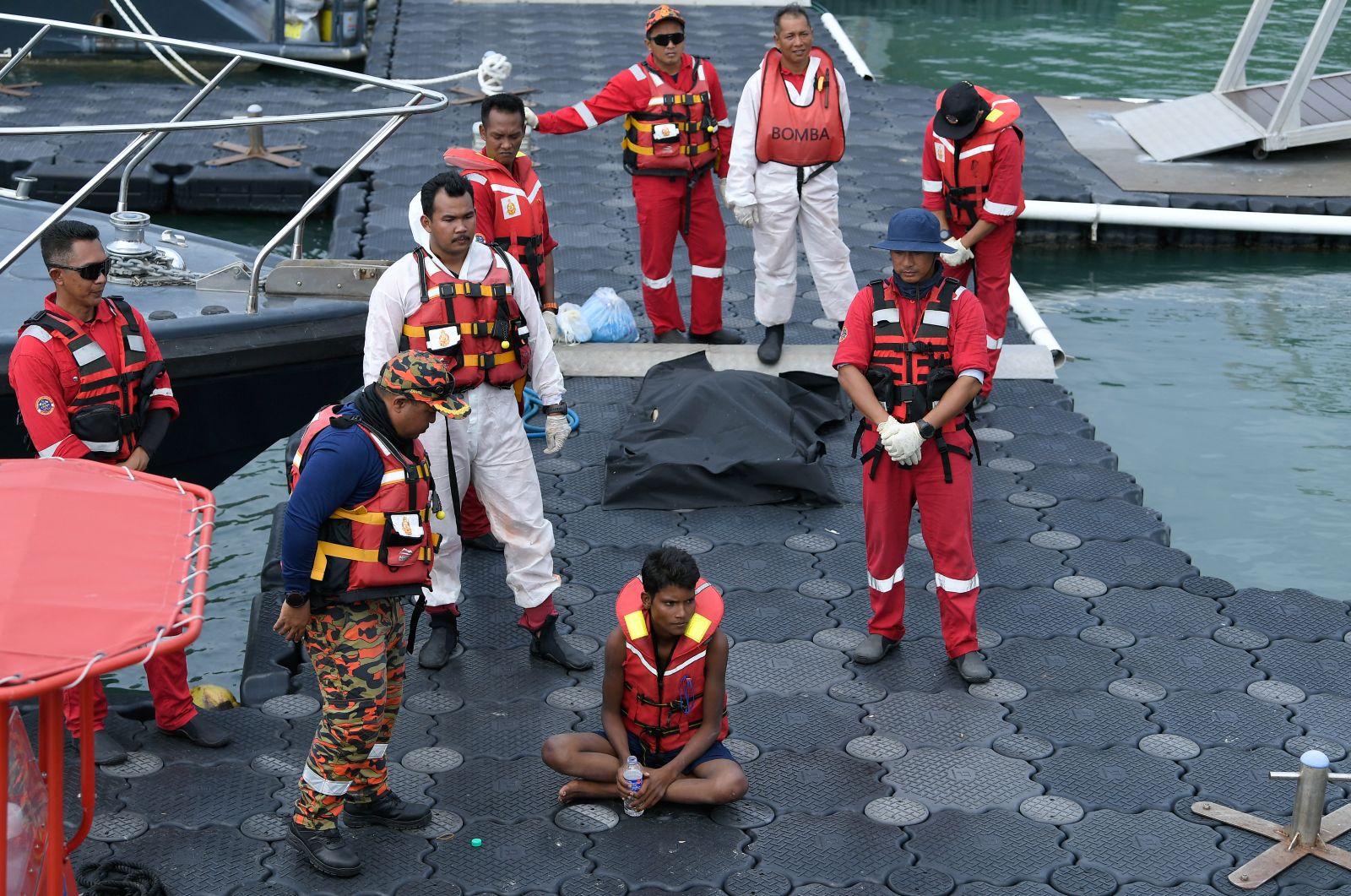
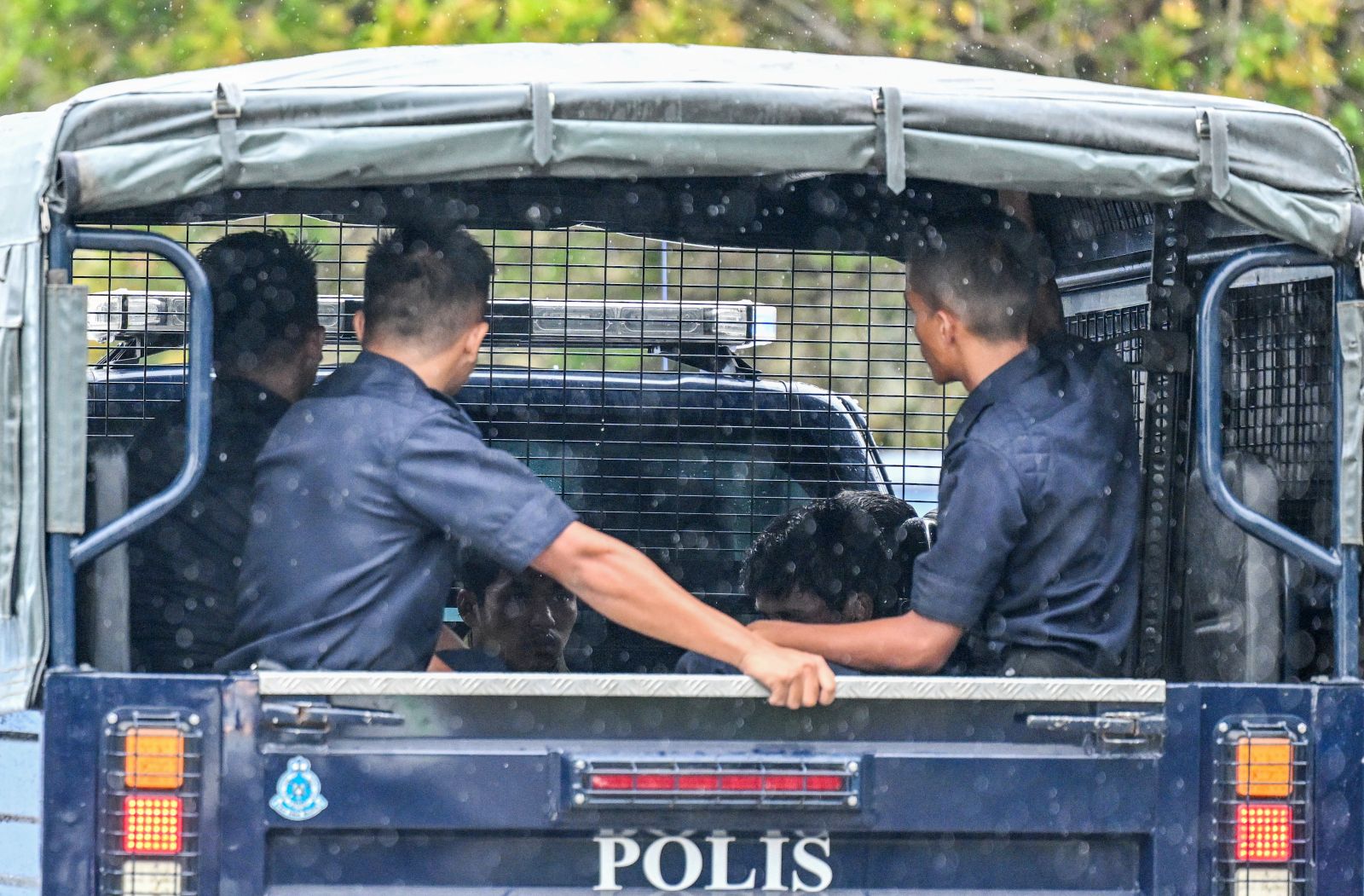
As conditions worsen in the camps, increasing numbers of refugees are turning to traffickers to embark on dangerous sea journeys to Malaysia and Indonesia. Last year was the deadliest on record for Rohingya sea crossings. More than 6,500 people attempted the journey, with nearly 900 reported dead or missing – roughly one in seven, according to the United Nations Refugee Agency.
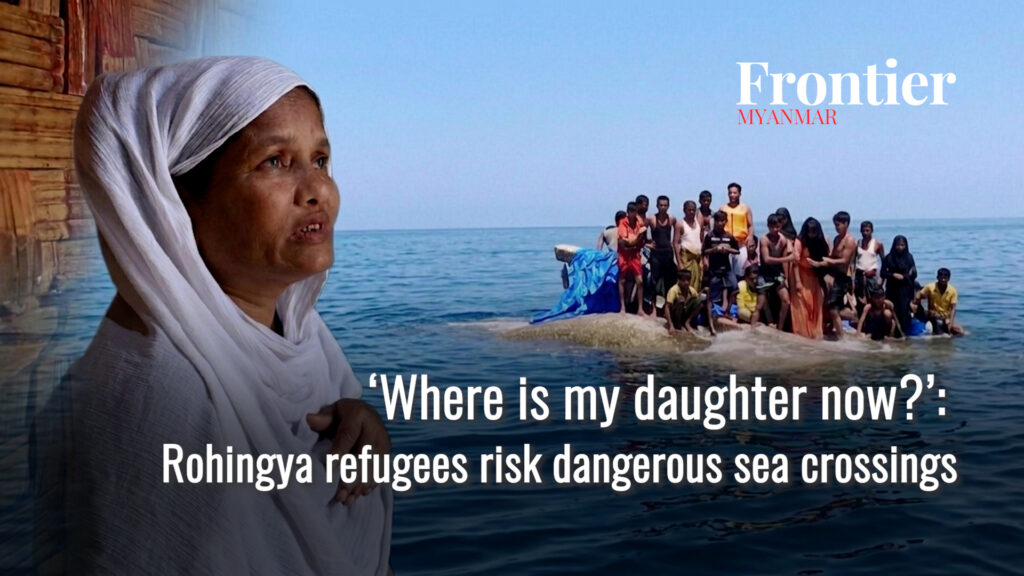
Survivors describe overcrowded boats and deadly voyages, while families left behind continue to search for missing relatives. One of them is Dolu, a 54-year-old woman whose daughter left in March last year and has not been heard from since.
“I cry so much, thinking about her day and night,” Dolu said. “O Allah, if only you would grant me two wings at least so that I could fly to find my daughter. I keep praying and asking Allah, ‘Where is my daughter now?’”